
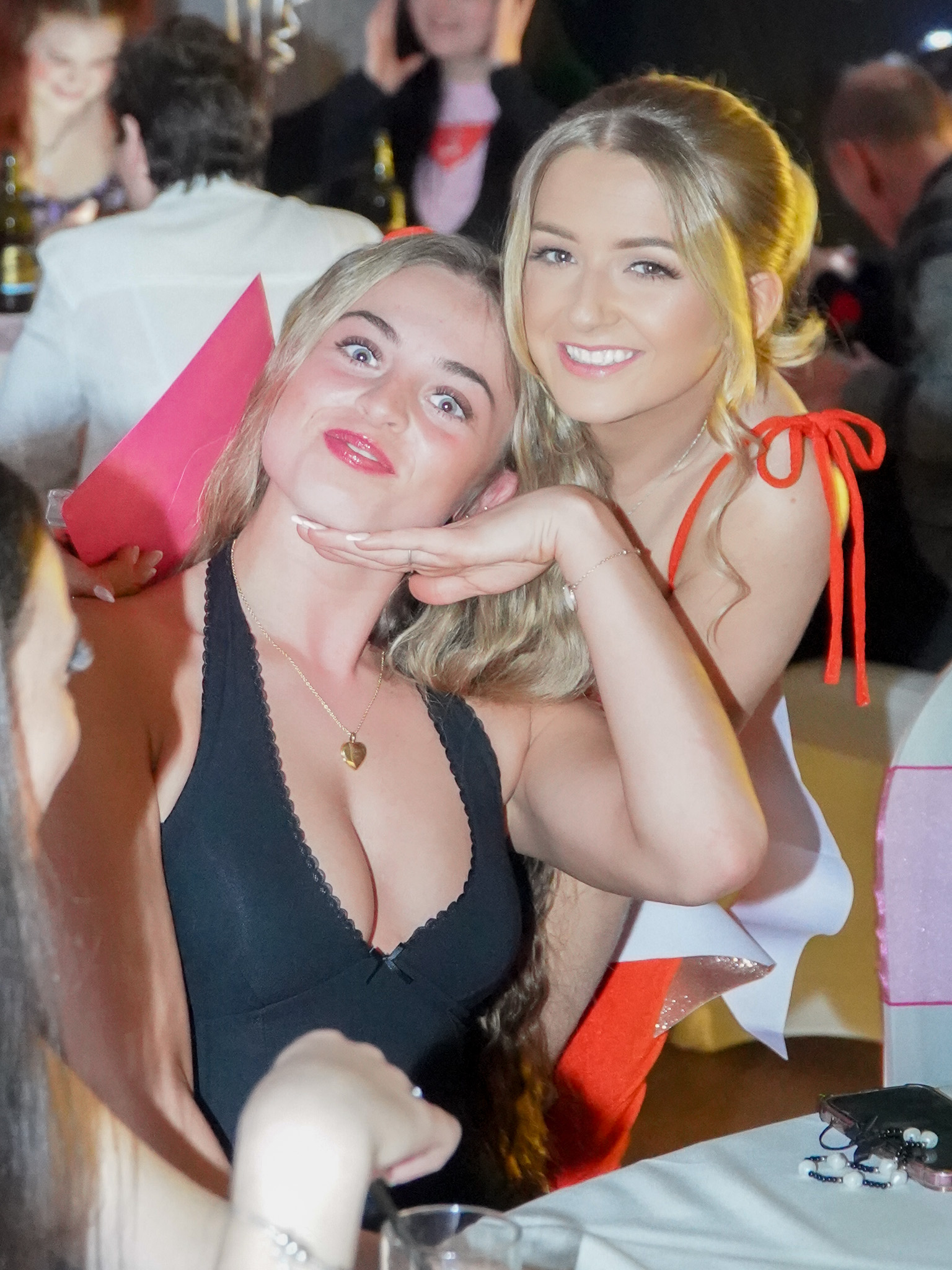
Summary: There are many ways to look stunning in every photo. Focus on confidence and find your most comfortable angle. Pay attention to your posture and choose clothes that make you feel comfortable.
Have you ever looked at a photo and thought, “I looked so much better in person!”? You are not alone. Looking great in photographs is not just about having the right features or wearing the perfect outfit. Lighting, posture, facial expressions, angles, timing, and even how comfortable you feel can completely change the final image. Consulting the best photographer in Manchester is equally important. Relax! You do not have to be naturally photogenic to take better photos. A few simple adjustments can make a noticeable difference. Continue reading to discover practical techniques to look confident, relaxed, and authentic in every shot.
Tips from a Professional Photographer to Look Your Best in Photos
Pay Attention to Your Posture
Good posture can instantly transform a photograph. Standing or sitting tall makes you appear more confident. Imagine there is a string gently pulling the top of your head upward. Keep your shoulders down and back without becoming stiff. If you are standing, distribute your weight comfortably rather than locking both legs straight. Posture becomes especially important in group photos at photography events. Instead of leaning heavily on another person or collapsing your shoulders, stand naturally with enough space to move comfortably.
Find Your Most Comfortable Angle
Everyone has angles they naturally prefer. The trick is discovering yours. Instead of facing the camera completely straight on, turn your body slightly to one side. Keep your shoulders relaxed and position your face naturally toward the camera. This approach creates depth and can produce a more flattering image. You can also experiment with your chin. Raising it too much can look unnatural, and lowering it excessively can create unwanted shadows. A comfortable, neutral position is the safest starting point. During a professional shot, your photographer can guide you through small adjustments until you find an angle that feels right. Remember, the best pose is often the one that does not feel like a pose at all.
Use Lighting to Your Advantage
Even the best outfit and pose can struggle under poor lighting. Good light can soften features, brighten your eyes, and make your skin tone appear more even. Natural light is particularly flattering. If you are outdoors, avoid standing directly under harsh overhead sunlight. It can create strong shadows across your face. Stand near a large window during indoor shoots to create beautifully soft illumination. Photographers carefully position their subjects according to the direction and quality of light for portrait photography. If you are taking your own photos, try turning toward the light rather than standing with a bright window directly behind you.
Focus on Confidence, Not Perfection
First and foremost. Let go of the idea that every picture has to be perfect. When you become worried about your appearance, the tension shows in your face and body language. Take a breath and relax your shoulders before the camera starts clicking. Think about something that genuinely makes you happy. A natural smile usually looks much better than one that is forced or commanded. Try this the next time someone takes your picture: instead of immediately saying “cheese,” take a breath, look away for a second, and then look back at the camera. You may be surprised by how much more natural your expression appears.
Choose Clothes That Make You Feel Comfortable
What you wear can influence both how you look and how you feel in front of a camera. The most flattering outfit is the one that fits well and makes you feel confident. Choose colours that complement your skin tone and avoid clothing that requires constant adjustment. If you are dressing for your wedding photography, select something that looks polished but allows you to move, sit, and interact comfortably.
Let Your Expressions Change Naturally
One expression does not suit every photograph. Instead of holding the same smile throughout a session, move your face naturally. Try smiling with your eyes, laughing softly, looking away from the camera, or having a relaxed neutral expression. You might be asked to change your gaze and expression several times during a portrait photoshoot. Do not worry about getting it exactly right. Follow the photographer’s direction and allow yourself to respond naturally.
We hope you find this blog useful. However, if you want to learn more about poses, feel free to reach out without delay.